
etched mirrors
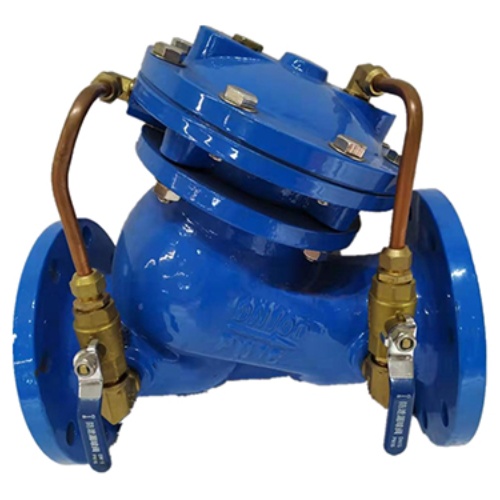
Understanding the Inch and a Half Check Valve An Essential Component in Fluid Mechanics When it comes to fluid mechanics, various components are critical for ensuring the efficient and safe flow of liquids and gases in industrial and residential applications. One such vital component is the check valve, more specifically the inch and a half check valve. This device plays a crucial role in controlling the direction of fluid flow and preventing backflow, a necessity in many systems. A check valve operates under the simple principle of allowing fluid to flow in one direction while effectively shutting off the backflow. The inch and a half designation refers to the valve’s diameter, which is 1.5 inches. This size is commonly used in many applications, from plumbing and HVAC systems to irrigation and industrial pipelines. The choice of size can significantly affect the flow rate and pressure drop within a system, making it essential to select the appropriate valve for each specific application. Check valves come in various designs, with the swing check valve and the spring-loaded check valve being among the most common types. In a swing check valve, a hinged disc is utilized to allow fluid to flow through when pressure from the upstream side exceeds that on the downstream side. Conversely, if backflow occurs, the disc swings shut, blocking the reverse flow. On the other hand, a spring-loaded check valve uses a spring mechanism to keep the valve closed until the upstream pressure opens it. This design is particularly effective in preventing backflow in systems subject to fluctuating pressures. inch and a half check valve One of the main advantages of the inch and a half check valve is its ability to prevent contamination of the fluid system. Backflow can lead to detrimental effects in many applications, such as the pollution of drinking water or damage to sensitive equipment . By incorporating a check valve into a system, operators can safeguard their processes, ensuring that fluids flow in the desired direction only. Moreover, the inch and a half check valve is known for its durability and reliability. Most valves are constructed from robust materials like brass, stainless steel, or PVC, which can withstand various environmental conditions and resist corrosion. Regular maintenance, such as checking for wear and tear, can significantly prolong the lifespan of these valves, ensuring optimal performance over time. Installing an inch and a half check valve is generally straightforward, but proper consideration must be given to orientation and placement within the piping system. The valve should be installed in a vertical or horizontal position according to the manufacturer's guidelines to function correctly. It is also advisable to place the check valve downstream of a pump or other pressure source to utilize its full potential effectively. In conclusion, the inch and a half check valve is a fundamental component in fluid management systems, providing critical protection against backflow and ensuring the integrity and efficiency of fluid delivery. By understanding its functionality and applying it correctly within various applications, users can enhance system safety and performance while prolonging the lifespan of fluid handling systems. Whether in residential plumbing or industrial processes, the inch and a half check valve remains an indispensable tool in modern engineering.
about
etched mirrors
Understanding 2% Globe Valves A Key Component in Fluid Control Globe valves are a crucial component in various industrial applications, particularly in fluid control systems. One notable variant is the 2% globe valve, which plays a significant role in regulating flow rates, ensuring operational efficiency, and maintaining safety in a variety of processes. This article explores the significance, design, operation, and applications of 2% globe valves. What is a 2% Globe Valve? A globe valve is a type of valve used to regulate fluid flow. Characterized by a spherical body that provides a smooth path for fluid, globe valves can effectively handle higher pressure drops compared to other valve types. The term 2% typically refers to the valve's flow coefficient or the range of percentage variation in flow control, indicating its ability to accurately regulate flow with minimal turbulence and disruption. Design and Construction The construction of a 2% globe valve typically includes a body, a disc, a seat, and a bonnet. The body is usually made from robust materials such as stainless steel, carbon steel, or various alloys to withstand high pressures and temperatures. Inside the valve, the disc is connected to a stem that is operated by a handwheel or actuator, allowing for precise control over the flow. The seat is designed to provide a tight seal, ensuring that the valve can fully close and prevent any leakage. The unique shape of a globe valve, compared to other valve types like gate or ball valves, allows for more effective flow regulation. The flow direction in a globe valve is vertical, which reduces the likelihood of cavitation and promotes stability in flow rates. This makes 2% globe valves particularly suitable for systems requiring fine adjustments to the flow. Operation and Functionality When operating a 2% globe valve, the rotation of the handwheel or actuator raises or lowers the disc, adjusting the size of the opening through which the fluid passes. A smaller opening results in higher resistance and lower flow, allowing for precise control. The design ensures that even a small turn of the valve can lead to a significant change in flow rate, making it an essential tool for processes that require delicate balancing of fluid dynamics. 2 globe valve The flow characteristics of a globe valve are particularly advantageous in applications that involve throttling, where precise control over the flow rate is crucial. For example, in steam control systems, where maintaining a specific pressure and temperature is essential for efficiency and safety, the precision of a 2% globe valve is invaluable. Applications of 2% Globe Valves 2% globe valves are widely used across various industries, including 1. Chemical Processing Used to regulate the flow of corrosive chemicals, ensuring that processes operate smoothly and safely. 2. Water Treatment Involved in the management of water flow in treatment plants, contributing to effective purification and distribution processes. 3. Oil and Gas Employed in refining processes and pipeline management, where precise flow control is necessary. 4. Power Generation Utilized in both thermal and nuclear power plants to control steam and water flows, enhancing operational efficiency. 5. HVAC Systems Integral to heating, ventilation, and air conditioning systems, where they help manage fluid circulation and temperature. Conclusion In summary, 2% globe valves are designed for precision fluid control in various industrial applications. Their robust construction, reliable operation, and effective flow regulation capabilities make them an ideal choice for systems requiring fine adjustments. As industries continue to evolve and demand improved efficiency and safety, the role of 2% globe valves will only become more critical. Whether in chemical processing, water treatment, or energy generation, these valves are a fundamental element of modern fluid management systems, ensuring that processes run smoothly and effectively. Understanding their functionalities can significantly impact the overall performance and safety of industrial operations.
-

High quality industrial productsagement

High quality industrial products
View Details -

Meet the diverse needs of customers

Meet the diverse needs of customers
View Details -

Strict quality control

Strict quality control
View Details -

Top raw materials

Top raw materials
View Details -

Trusted supplier

Trusted supplier
View Details
Our application

news and information

Wskaźnik pierścienia gwintu standardowy
Standardy narzędzi do pomiaru gwintów – Gniazdo gwintowe Standardy narzędzi do pomiaru gwintów – Gni

Van ngắt nước chính
Giá Trị và Vai Trò Của Van Khóa Nước Chính Trong Hệ Thống Cấp Nước Trong mỗi căn nhà hay công trình
Valve de 10 pouces
Les vannes à papillon de 10 pouces jouent un rôle crucial dans la gestion des fluides dans divers sy
 English